


- LP
- Recommended
Nathan Fake
Evaporator
InFiné - Cat No: IF1104STD
- updated:2026-04-12
IDM、プログレッシブ、トランスなどの要素にアプローチ、20年に渡って、エレクトロニック・ミュージックの一翼をリードしてきた才能Nathan Fakeのニューアルバムが〈InFiné〉からリリース。
As Nathan Fake rises from the nocturnal subterranea and rave catharsis of his previous records, on Evaporator, he resurfaces into the domain of daylight, bringing a tangible sense of air rushing against your face, of big skies, and endless landscapes.
The idea of pop accessibility that trickled into 2023’s Crystal Vision is refracted here through the prism of sweeping ambient, deep electronica, and trance uplift. Evaporator is Fake’s idea of “airy daytime music”, with each track a different barometer reading across the album’s varying atmospheres, which range from vibrant sunbursts, bracing rainscapes, and fine mists of clement melodics. “It’s not overtly confrontational electronic club music,” states Fake. “It’s quite pleasant, it’s accessible. As I was progressing through making the tracklist, I called it a daytime album. It doesn’t feel like an afterparty album.” For the past decade Fake has been gingerly introducing collaborations with heroes and friends alike into his lone, idiosyncratic working process.
Border Community alumni Dextro AKA Ewan Mackenzie transmutes his ferocious drumming for Pigs Pigs Pigs Pigs Pigs Pigs Pigs into the blurred choral thump of ‘Baltasound’. ‘Orbiting Meadows’, meanwhile, is his second collaboration with Clark, an eerily idyllic duet where microtonal 18EDO piano clangs slowly twirl around wailing pads. Evaporator marks the junction point of old technology and ever fresh creativity for Nathan. The trusty “dinosaur” age software, particularly Cubase VST5, that has powered two decades of music is rarely updated. “I used to sort of feel a bit ashamed of using such old software, and then I kind of had an epiphany – that’s just how I work”, comments Fake. “That’s just how I play. I’m very fond of these old tools, and I get the most joy out of them, but now I’ve incorporated new technology too.” When an artist accumulates so much synergy with their instrument, music making becomes instinctual. By Fake’s account, much of Evaporator just fell into place. The album title arrived randomly in his head (“it felt completely perfect. Airy.”), ideas looped and developed until things locked into place and just felt right. ‘The Ice House’ is a fleeting glimpse of the sonic world he taps into in this creative state, its glassy FM synths built around a counterpoint between rough-hewn crystalline arpeggios and sparse yet gravitas-bearing bass. “That riff I just wrote out on the keyboard, I just played it forever and ever and ever.
The original track ended up being really short. Here you go, and it’s gone!” These unplanned channellings of sound call forth records from Fake’s past while he looks ahead, perhaps getting at the very essence of his musicianship. The opener ‘Aiwa’ (“the breeziest,” he muses) reminds of the introspection that characterised Providence, excited by the fire and grit of Steam Days’ textural experiments, its chunky slams and clatters surging into a flood of harmonic buzzing as they reach out for old wisdom. ‘Hypercube’ stampedes in a similar chronological confluence, infusing an incessant synth line reminiscent of the golden age of rave with the crackling, ecstatic energy of modern festival anthems. Like the vaporisation of liquid to particles, everything that Evaporator presents has a mutant desire to be amorphous. Sounds rarely settle; the irradiated garage beat of ‘Bialystok’ is pitched downwards to driving, rebounding effect, while ‘You’ll Find a Way’ warps static into shivering energy, cinematic synth strings building anticipation into a gradual gush of chords. This translates into a more expansive stereo field than Fake has explored before.
‘Slow Yamaha’ saves the wildest, most kinetic transformations for last with a cornucopia of crispy melodies and fried drums; a sibilance of cymbals on the left, a susurrus of shakers on the right, and kaleidoscopic lasers pulsing and fizzing all around. Evaporation culminating in pure excited atoms. In a world where music has increasingly become background content, making albums remains lifeblood for Fake: “It makes me realise how long; twenty years is ages! It’s weird to see how much the world has changed. Release day back then you did fuck all, now you spend all day on socials. When I grew up the people who made the electronic music I was into were quite mysterious, and the artwork was very abstract.
There was a massive distance between you and that music, and that was a key part of it, really. Now it helps to be an extrovert, and I'm just not, but the album marks the first time my face has graced the cover art. I’ve never wanted to do this before, I'm very shy, and generally I don’t like being seen,” he professes. “But, twenty years in, I supposed I could try something new. I'm very lucky that I'm somehow surviving in this world, where the media world favours extroverts and interesting looking people. It’s not my world but somehow I’m still in it.” Evaporator continues to prove Nathan’s necessary presence, with some of his most engaging, varied, and magical music yet.
The idea of pop accessibility that trickled into 2023’s Crystal Vision is refracted here through the prism of sweeping ambient, deep electronica, and trance uplift. Evaporator is Fake’s idea of “airy daytime music”, with each track a different barometer reading across the album’s varying atmospheres, which range from vibrant sunbursts, bracing rainscapes, and fine mists of clement melodics. “It’s not overtly confrontational electronic club music,” states Fake. “It’s quite pleasant, it’s accessible. As I was progressing through making the tracklist, I called it a daytime album. It doesn’t feel like an afterparty album.” For the past decade Fake has been gingerly introducing collaborations with heroes and friends alike into his lone, idiosyncratic working process.
Border Community alumni Dextro AKA Ewan Mackenzie transmutes his ferocious drumming for Pigs Pigs Pigs Pigs Pigs Pigs Pigs into the blurred choral thump of ‘Baltasound’. ‘Orbiting Meadows’, meanwhile, is his second collaboration with Clark, an eerily idyllic duet where microtonal 18EDO piano clangs slowly twirl around wailing pads. Evaporator marks the junction point of old technology and ever fresh creativity for Nathan. The trusty “dinosaur” age software, particularly Cubase VST5, that has powered two decades of music is rarely updated. “I used to sort of feel a bit ashamed of using such old software, and then I kind of had an epiphany – that’s just how I work”, comments Fake. “That’s just how I play. I’m very fond of these old tools, and I get the most joy out of them, but now I’ve incorporated new technology too.” When an artist accumulates so much synergy with their instrument, music making becomes instinctual. By Fake’s account, much of Evaporator just fell into place. The album title arrived randomly in his head (“it felt completely perfect. Airy.”), ideas looped and developed until things locked into place and just felt right. ‘The Ice House’ is a fleeting glimpse of the sonic world he taps into in this creative state, its glassy FM synths built around a counterpoint between rough-hewn crystalline arpeggios and sparse yet gravitas-bearing bass. “That riff I just wrote out on the keyboard, I just played it forever and ever and ever.
The original track ended up being really short. Here you go, and it’s gone!” These unplanned channellings of sound call forth records from Fake’s past while he looks ahead, perhaps getting at the very essence of his musicianship. The opener ‘Aiwa’ (“the breeziest,” he muses) reminds of the introspection that characterised Providence, excited by the fire and grit of Steam Days’ textural experiments, its chunky slams and clatters surging into a flood of harmonic buzzing as they reach out for old wisdom. ‘Hypercube’ stampedes in a similar chronological confluence, infusing an incessant synth line reminiscent of the golden age of rave with the crackling, ecstatic energy of modern festival anthems. Like the vaporisation of liquid to particles, everything that Evaporator presents has a mutant desire to be amorphous. Sounds rarely settle; the irradiated garage beat of ‘Bialystok’ is pitched downwards to driving, rebounding effect, while ‘You’ll Find a Way’ warps static into shivering energy, cinematic synth strings building anticipation into a gradual gush of chords. This translates into a more expansive stereo field than Fake has explored before.
‘Slow Yamaha’ saves the wildest, most kinetic transformations for last with a cornucopia of crispy melodies and fried drums; a sibilance of cymbals on the left, a susurrus of shakers on the right, and kaleidoscopic lasers pulsing and fizzing all around. Evaporation culminating in pure excited atoms. In a world where music has increasingly become background content, making albums remains lifeblood for Fake: “It makes me realise how long; twenty years is ages! It’s weird to see how much the world has changed. Release day back then you did fuck all, now you spend all day on socials. When I grew up the people who made the electronic music I was into were quite mysterious, and the artwork was very abstract.
There was a massive distance between you and that music, and that was a key part of it, really. Now it helps to be an extrovert, and I'm just not, but the album marks the first time my face has graced the cover art. I’ve never wanted to do this before, I'm very shy, and generally I don’t like being seen,” he professes. “But, twenty years in, I supposed I could try something new. I'm very lucky that I'm somehow surviving in this world, where the media world favours extroverts and interesting looking people. It’s not my world but somehow I’m still in it.” Evaporator continues to prove Nathan’s necessary presence, with some of his most engaging, varied, and magical music yet.
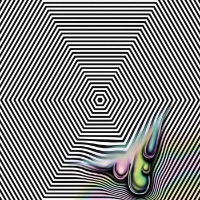
『ネイサン・フェイクは、彼の過去のレコードの夜間的な地下空間とレイヴのカタルシスから立ち上がり、『Evaporator』では、昼間の光の領域へと再浮上し、あなたの顔に押し寄せる空気、大きな空、果てしない風景の具体的な感覚をもたらす。 2023年の『Crystal Vision』に通じるポップなアクセシビリティのアイデアは、ここではスウィープ・アンビエント、ディープ・エレクトロニカ、トランスの高揚というプリズムを通して屈折している。Evaporator』は、フェイクが考える "風通しの良い昼間の音楽 "であり、鮮やかなサンバースト、爽快なレインスケープ、澄んだメロディックの細かい霧など、アルバムの様々な雰囲気の中で、各トラックが異なるバロメーターを示している。「あからさまに対立的なエレクトロニック・クラブ・ミュージックではない」とフェイクは言う。「とても心地よく、親しみやすい。トラックリストを作りながら、私はこのアルバムをデイタイム・アルバムと呼んでいた。アフターパーティーのアルバムという感じではないんだ」。過去10年間、フェイクはヒーローや友人たちとのコラボレーションを、彼の孤独で特異な作業工程にそっと取り入れてきた。 ボーダー・コミュニティの卒業生であるデクストロ、別名ユアン・マッケンジーは、『Pigs Pigs Pigs Pigs Pigs Pigs』の獰猛なドラミングを『Baltasound』のぼやけたコーラス・サウンドに変換している。一方、「Orbiting Meadows」はクラークとの2度目のコラボレーションで、不気味なほど牧歌的なデュエットで、微分音18EDOピアノのクラングが泣き叫ぶパッドの周りをゆっくりと旋回する。Evaporator」は、ネイサンにとって古いテクノロジーと常に新鮮な創造性の接点となる作品だ。信頼できる "恐竜 "時代のソフトウェア、特にCubase VST5は、20年にわたる音楽の原動力となったが、更新されることはほとんどない。「以前は、そんな古いソフトウェアを使うことを少し恥ずかしく感じていた。「それが僕のやり方なんだ。古いツールがとても好きで、そこから最大の喜びを得ているんだけど、今は新しいテクノロジーも取り入れている」。アーティストが楽器との相乗効果をこれほどまでに蓄積すれば、音楽作りは本能的なものになる。フェイクの説明によれば、『Evaporator』の大部分は、ただ適当に作ったものだという。アルバム・タイトルは彼の頭の中にランダムに浮かんだ(「完全に完璧だと感じた。 風通しがいい」)。The Ice House」は、彼がこの創造的な状態で叩き込んだ音の世界を一瞬垣間見せるもので、そのガラスのようなFMシンセは、荒削りなクリスタルのようなアルペジオと、まばらでありながら重厚感のあるベースとの対位法を中心に構築されている。「キーボードに書き出したリフを、ずっとずっと弾き続けたんだ。 原曲は本当に短くなってしまった。そうしたら、もうないんだ!"こうした無計画な音の流れは、フェイクの過去のレコードを呼び起こすと同時に、彼の音楽性の本質に迫っているのかもしれない。オープニングの「Aiwa」(「一番爽やかだ」と彼はつぶやく)は、『Providence』を特徴づけていた内省的なサウンドを思い起こさせ、『Steam Days』のテクスチャー実験の炎と硬質さに興奮させられる。Hypercube」は、レイブの黄金期を彷彿とさせる絶え間ないシンセ・ラインに、現代のフェスティバル・アンセムのパチパチとした恍惚としたエネルギーを注入し、同じような年代的な合流点を踏みしめる。液体が気化して粒子になるように、エバポレーターが提示するものはすべて、無定形でありたいという突然変異的な欲求を持っている。Bialystok」の照射されたガレージ・ビートは、下向きにピッチングされ、駆動し、跳ね返るような効果をもたらし、「You'll Find a Way」は、静寂を戦慄のエネルギーにゆがめ、シネマティックなシンセ・ストリングスが期待感を高め、徐々にコードが噴出する。これは、フェイクがこれまで探求してきたものよりも、より広がりのあるステレオ・フィールドに変換される。 Slow Yamaha」は、左のシンバルのシビランス、右のシェイカーのサスルース、そして万華鏡のようなレーザーのパルスと発泡で、クリスピーなメロディーとフライドドラムのコーヌコピアで、最もワイルドでキネティックな変容を最後に残している。純粋に励起された原子に至る蒸発。音楽がますますバックグラウンド・コンテンツになりつつあるこの世界で、アルバム制作はフェイクの生命線である:「20年という月日の長さを実感させられる!20年なんて長いよ!世界がどれだけ変わったか見るのは変な感じだ。20年という歳月は長いよ!世の中がどれほど変わったかを目の当たりにするのは奇妙なことだ。僕が子供の頃、夢中になっていたエレクトロニック・ミュージックを作っていた人たちはとてもミステリアスで、アートワークはとても抽象的だった。 あなたとその音楽との間には大きな距離があり、それが音楽の重要な部分でした。今となっては、外向的であることも助けになるし、私はそうではないけれど、このアルバムで初めて私の顔がジャケット・アートを飾った。私はとても内気で、人に見られるのが嫌いなんだ。「でも、20年経った今、何か新しいことをやってみようと思ったんだ。メディアの世界では、外向的で面白そうな人が好まれるこの世界で、どうにか生き延びているのはとても幸運なことだ。私の世界ではないけれど、どうにかまだそこにいる」。Evaporatorは、ネイサンが必要な存在であることを証明し続け、これまでで最も魅力的で、変化に富み、魔法のような音楽を聴かせてくれる。 (インフォメーションより)』